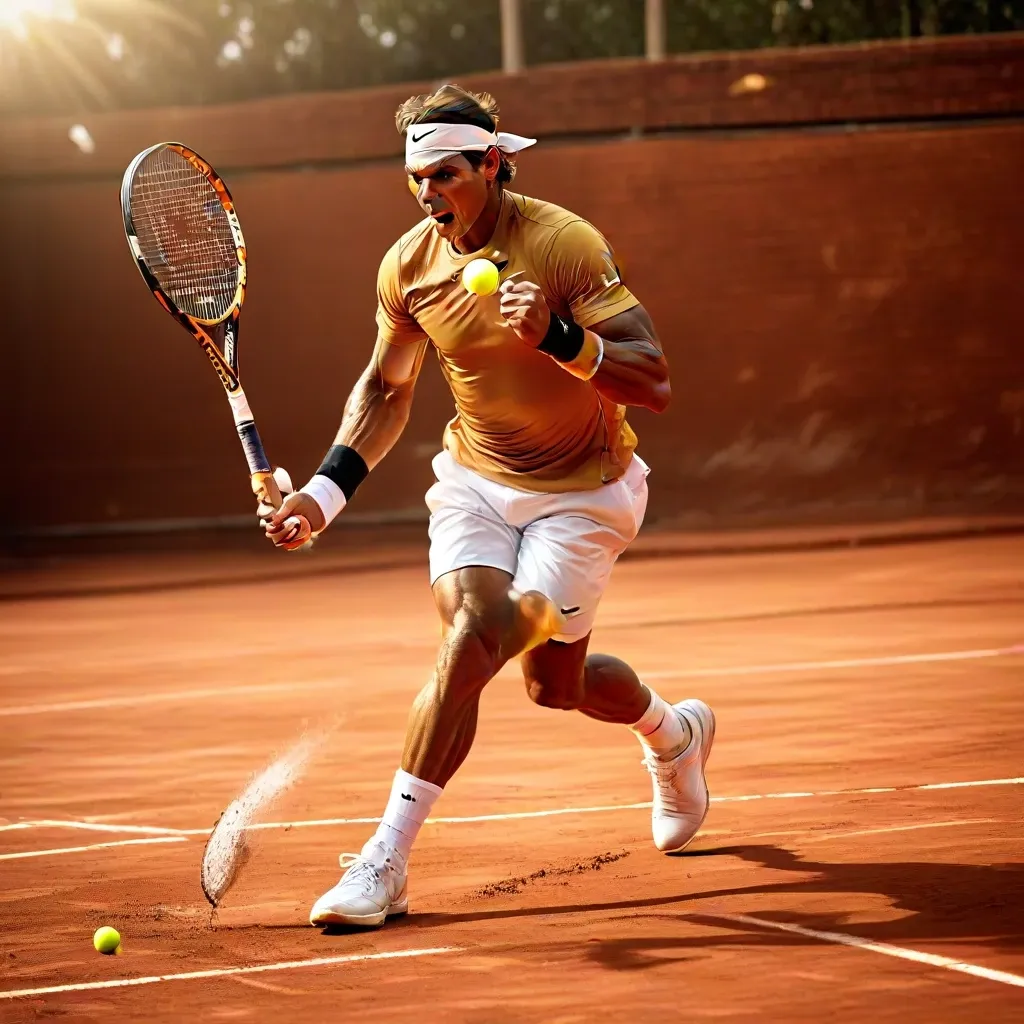
The ATP Barcelona Open stands as a jewel in the crown of clay court tennis, a tournament steeped in history and tradition. Each year anticipates a display of skill, strategy, and raw power that only clay can truly elicit. But beyond the prestige and the fierce competition, one name echoes through the stands of the Real Club de Tenis Barcelona-1899: Rafael Nadal. Nadal’s legacy at the Barcelona Open is not just impressive; it’s practically mythical. His dominance on this court has shaped the tournament’s identity for almost two decades.
This article explores the reasons behind Nadal’s reign in Barcelona, examining the factors that contribute to his unparalleled success on clay. It also touches upon the palpable excitement that surrounds the tournament each year, fueled by the hope of witnessing history in the making, or perhaps, the rise of a new champion ready to challenge the King of Clay. The Barcelona Open is more than just another tennis tournament; it’s a celebration of the sport, a test of will, and a stage where legends are forged.
The King of Barcelona: Nadal’s Dominance
Rafael Nadal’s name is synonymous with the Barcelona Open. His reign on the red clay of this tournament is not just a winning streak; it’s a legacy etched in the city’s sporting history. Nadal’s connection to Barcelona extends beyond mere participation; it’s a bond forged through years of triumphs, emotional moments, and unwavering support from the Catalan crowd. He has an unmatched record at the Barcelona Open, a testament to his mastery of clay and his incredible mental fortitude.
The sheer number of titles Nadal has claimed at the Barcelona Open is staggering. Each victory has added another layer to his legend, solidifying his status as the undisputed ‘Clay Court King’. It is more than just winning; it is about the passion he displays on the court, the never-say-die attitude that resonates with fans who pack the stands year after year. Remember his early battles against seasoned veterans, and the more recent clashes with rising stars, Nadal has consistently found a way to emerge victorious, thrilling spectators with his athleticism and sheer determination.
One cannot overlook his emotional connection to the event. In every match, he seemed to draw strength from the energy of the crowd. The “Pista Rafa Nadal” is not just a court; it’s a stage where Nadal has performed some of his most memorable feats, and where he feels at home. His performances on that court have become folklore, stories passed down among tennis enthusiasts. He always shows a great level of performance. He is really connected with Barcelona and the tournament.
Statistical Supremacy: Numbers Behind the Legend
Nadal’s statistical dominance at the Barcelona Open is simply breathtaking. His win-loss record at the tournament speaks for itself, showcasing a level of consistency rarely seen in professional sports. The numbers paint a clear picture of his superiority on the Barcelona clay. It is difficult to find another player who has mirrored such consistency and dominance at this high-profile event.
Compared to other top players who have graced the Barcelona Open, Nadal’s record stands head and shoulders above the rest. Some players may have had brief periods of success, but none have been able to maintain the same level of excellence over such a prolonged period.
Beyond the Court: Nadal’s Impact on Barcelona
Nadal’s impact on Barcelona extends far beyond the tennis court. His presence at the Barcelona Open has significantly boosted the tournament’s reputation, attracting fans and media attention from around the globe. The tournament has become a major event on the city’s sporting calendar, thanks in large part to Nadal’s participation.
The man has had a positive impact on tourism, with fans flocking to Barcelona to witness the ‘Clay Court King’. The “Pista Rafa Nadal” has become a pilgrimage site for tennis aficionados, a place where they can witness the magic of Nadal’s game firsthand. The popularity of the tournament and the city itself has grown exponentially thanks to Nadal’s influence. He’s not just a tennis player; he’s a cultural icon in Barcelona.
Decoding Clay Court Mastery
Clay courts stand apart in the tennis world, demanding a specialized approach that differs significantly from hard or grass surfaces. The slower ball speed and higher bounce fundamentally alter gameplay, placing a premium on endurance, strategic shot selection, and the ability to construct points patiently. Success on clay isn’t just about power; it’s about finesse, resilience, and a deep understanding of the court’s unique dynamics. Players must adapt their games, embracing techniques and skills tailored for this demanding surface.
Unlike the quick, reactive play of grass or the consistent bounce of hard courts, clay rewards players who can grind out rallies, exploit angles, and effectively utilize spin. Court coverage becomes paramount, requiring exceptional stamina and the ability to anticipate the opponent’s next move. The surface itself introduces an element of unpredictability, with uneven bounces and the potential for bad hops adding another layer of complexity. Mastering the clay court is a testament to a player’s adaptability and tactical prowess.
Footwork and Movement: The Foundation of Clay Court Success
On clay, exceptional footwork is not just an advantage; it’s a necessity. The ability to slide into shots, maintain balance, and recover quickly is crucial for effective court coverage. Players need to develop a nuanced understanding of how to navigate the surface, utilizing short, choppy steps for stability and longer strides for reaching wide balls. Drills focusing on agility, coordination, and controlled sliding are essential for building a solid foundation. Nadal’s unparalleled success on clay is a direct result of his incredible footwork. His ability to cover seemingly impossible ground and maintain his balance while unleashing powerful shots sets him apart. Perfecting footwork allows players to dictate the pace of the game and create opportunities to attack.
The Art of Spin: Creating Opportunities on Clay
Spin is an indispensable weapon on clay courts. Topspin allows players to bring the ball down quickly, generating a higher bounce that can trouble opponents and push them behind the baseline. Slice shots, on the other hand, can disrupt rhythm and create awkward angles. Mastering the art of spin involves understanding how to vary the amount of spin and trajectory to suit different situations. Practicing drills that focus on wrist action and racket head speed can help players unlock their spin potential. Nadal’s heavy topspin forehand is legendary, enabling him to control rallies and dictate court position. By effectively utilizing spin, players can enhance their control over the ball and craft openings for aggressive plays.
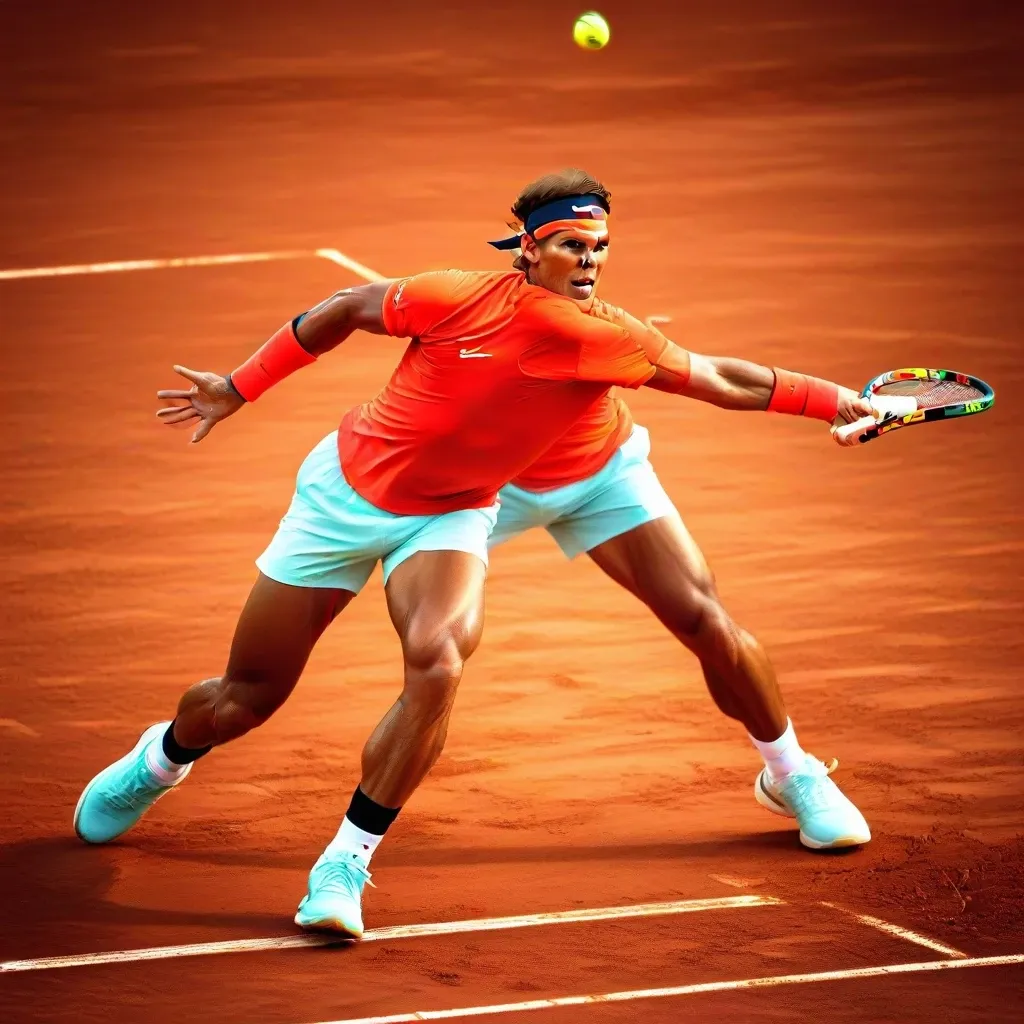
Nadal’s Impact on Clay Court Tennis
Rafael Nadal’s influence on clay court tennis is undeniable. More than just a player, he’s revolutionized the game with his unique play style and unparalleled dominance. His impact extends from the strategies employed by players to the very perception of what’s possible on the red dirt.
Nadal’s style is characterized by a relentless intensity and physicality. His high topspin forehand has become his trademark. That shot, delivered with incredible power and angle, bounces high and awkwardly, neutralizing opponents’ attacks and forcing errors. It’s a weapon that changed the game on clay, turning defense into offense.
Beyond the forehand, Nadal’s aggressive court positioning and unwavering determination set him apart. He patrols the baseline with a ferocious energy, dictating rallies and wearing down opponents. His mental fortitude, his refusal to concede a single point, became legendary and started influencing a generation of players.
Other players have emulated elements of Nadal’s game, particularly the high topspin forehand and the aggressive baseline play. While no one has replicated his success to the same extent, his influence is evident in the increased physicality and intensity on clay courts.
Nadal’s achievements have also elevated the status of clay court tennis. And because of him, the tournaments on clay became more prestigious and followed by a bigger and bigger audience. His impact is not just about titles; it’s about inspiring a new generation of players and changing the way the game is played on clay.
The Barcelona Open Beyond Nadal
The Barcelona Open stands as a jewel in the ATP tour, steeped in history and tradition. As the era of Rafael Nadal gradually fades, the tournament faces the challenge of maintaining its prestige and relevance. The future of the Barcelona Open hinges on its ability to attract new generations of stars and continue delivering thrilling tennis action.
The ATP 500 series is a crucial tier in professional tennis, and the Barcelona Open holds a prominent position within it. Players often use this tournament as a launching pad for the clay-court season, seeking to gain momentum and valuable ranking points. The tournament’s significance lies not only in its competitive field but also in its ability to draw passionate crowds and generate significant media attention, ensuring its continued importance for sponsors and fans alike.
Identifying the next generation of contenders eager to leave their mark on the Barcelona Open is key to the tournament’s enduring appeal. Emerging talents from Spain and beyond will be keen to showcase their skills on the iconic red clay, challenging established stars and vying for the coveted title. The rise of new champions will write fresh chapters in the tournament’s history, ensuring its lasting legacy. The tournament needs to adapt to changing times while conserving its unique character to ensure its long-term position in the ATP calendar.
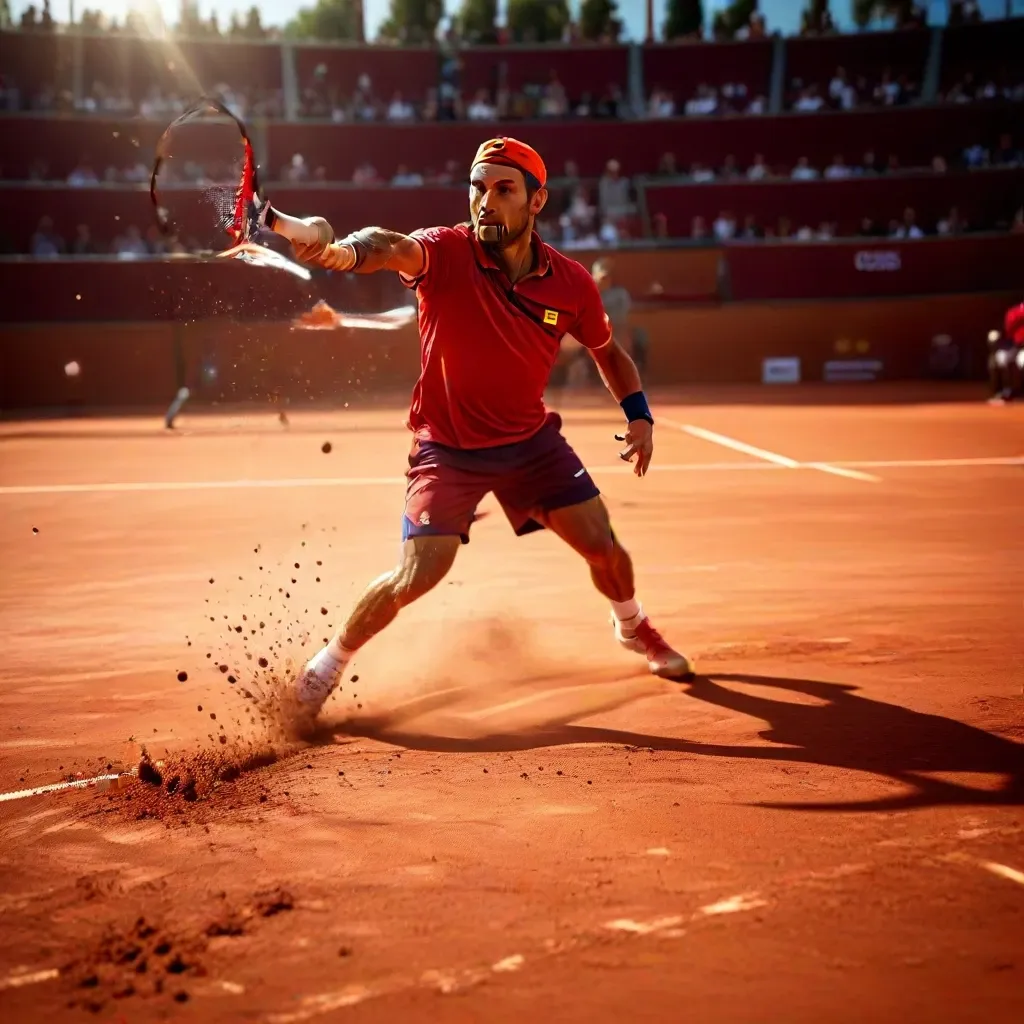
Expert Advice for Clay Court Players
Unlocking your full potential on clay requires a specific approach that goes beyond general tennis skills. It demands a tailored strategy, focusing on physical conditioning, mental fortitude, and tactical adaptability. Here’s how to elevate your clay court game.
Clay Court Training Routines for Peak Performance
Clay courts demand exceptional endurance. Implement training routines that emphasize prolonged rallies and lateral movement. Try incorporating interval sprints with directional changes to mimic in-game scenarios. Shadow drills focusing on sliding and recovery are also invaluable. Don’t neglect lower body strength; squats, lunges, and calf raises will build the power needed for consistent performance. Remember to integrate core exercises for stability and efficient energy transfer.
Mental Toughness: The Clay Court Edge
Clay court matches are often marathons of attrition. Develop mental resilience by practicing mindfulness and visualization techniques. During training, simulate pressure situations to acclimate yourself to handling adversity. Focus on process goals rather than solely outcome-based objectives to maintain composure during setbacks. Post-match analysis should include identifying areas for mental improvement, such as managing frustration or staying focused during long rallies.
Clay Court Strategies and Tactical Adaptations
Adaptability is crucial on clay. Analyze your opponent’s weaknesses and tailor your game plan accordingly. Don’t hesitate to change tactics mid-match. Vary the spin and trajectory of your shots to disrupt your opponent’s rhythm, and take advantage of the court’s slower pace by implementing drop shots and angles. Pay attention to court conditions, such as moisture levels, as these can significantly impact ball bounce and speed.
Nutrition
To optimize performance, eat meals rich of carbohydrates like pasta, rice, and whole-grain bread to give your muscles the energy they need during extended matches. Consume protein-rich foods like chicken, fish, or tofu to aid in muscle repair and recovery. Eat lots of fruits and vegetables to acquire vital vitamins, minerals, and antioxidants that support overall health and well-being. Also, remember to drink enough water with electrolytes both before, during, and after games to keep hydrated and avoid cramps.
Conclusion
In summary, Rafael Nadal’s unparalleled dominance at the Barcelona Open has etched his name into the tournament’s history. His record-breaking victories and captivating performances have solidified his status as the “King of Clay” and a symbol of excellence for the event. Although his future participation remains uncertain, Nadal’s impact on the Barcelona Open is undeniable, inspiring generations of players and fans alike.
The Barcelona Open’s future is bright, poised to continue showcasing top-tier tennis talent on the iconic clay courts. As new stars emerge and rivalries ignite, the tournament is set, holding onto its tradition while embracing the evolving landscape of the sport, ensuring its continued relevance and excitement for years to come. The spirit of competition, the allure of the clay, and the legacy of champions like Nadal will continue to define the Barcelona Open’s enduring appeal.