
The PUBG Global Championship (PGC) stands as the ultimate battleground in the world of PUBG esports. It’s where legends are forged, strategies are tested, and the champion’s crown is claimed. The PGC isn’t just another tournament; it’s the culmination of a year’s worth of intense competition, a showcase of the most skilled players and innovative teams from across the globe.
Since its inception, the PUBG Global Championship has grown exponentially, captivating millions of viewers and solidifying its place as a premier esports event. Each year, the stakes get higher, the plays become more daring, and the competition reaches new heights. The PGC has consistently delivered unforgettable moments.
Now, all eyes are set on the PUBG Global Championship 2025, promising a spectacle of unparalleled skill and drama. Hosted in the vibrant and esports-enthusiastic Thailand, the PGC 2025 is poised to be the most exciting edition yet. With key dates marked, the anticipation is building for what promises to be an epic clash of titans in the world of competitive gaming.
Understanding the PUBG Global Championship
The PUBG Global Championship (PGC) represents the pinnacle of competitive PlayerUnknown’s Battlegrounds (PUBG). It’s where the best teams from around the world clash to prove their dominance in this intense battle royale esport. Understanding the PGC requires a grasp of the broader PUBG ecosystem.
PUBG, at its core, is a battle royale game where 100 players parachute onto an island and fight to be the last person or team standing. The game offers various modes, from solo to squad-based matches, each demanding different strategies and teamwork. Beyond the standard game, PUBG boasts a thriving competitive scene.
The competitive PUBG ecosystem is structured around regional leagues and tournaments. These events serve as qualifying pathways for teams to earn a spot at the prestigious PGC. Performance in these regional competitions determines which teams get the opportunity to compete on the global stage, vying for the title of world champion. The PGC is the culmination of a year’s worth of intense competition, showcasing the highest level of PUBG gameplay.
Qualification Pathways to PGC 2025
The road to the PUBG Global Championship (PGC) 2025 is paved with intense competition and strategic gameplay. Teams from around the globe battle through various qualification pathways to secure their spot at the ultimate showdown. Understanding these pathways is crucial for both aspiring esports professionals and avid fans.
Regional leagues form the foundation of the PGC 2025 qualification system. Prominent leagues, such as the PUBG Continental Series (PCS) and the PUBG Europe League (PEL), serve as primary battlegrounds where teams accumulate points based on their performance throughout the season. Top-performing teams in these regional leagues earn direct qualification spots to the PGC 2025, guaranteeing their participation on the world stage.
Beyond regional leagues, the PUBG points system offers another avenue for qualification. Teams consistently placing high in tournaments and events earn points that contribute to their overall ranking. The teams with the highest accumulated points at the end of the season may secure a direct invite to PGC 2025.
Wildcard spots add an element of unpredictability and opportunity. These coveted invites are typically reserved for teams that may not have qualified through regional leagues or the points system but have demonstrated exceptional potential or have a significant impact on the PUBG esports scene. The selection process for wildcard spots often involves a combination of factors, including team performance, popularity, and regional representation, adding excitement and strategic considerations to the qualification landscape.
Key Teams and Players to Watch: Analyzing PGC 2025 Contenders
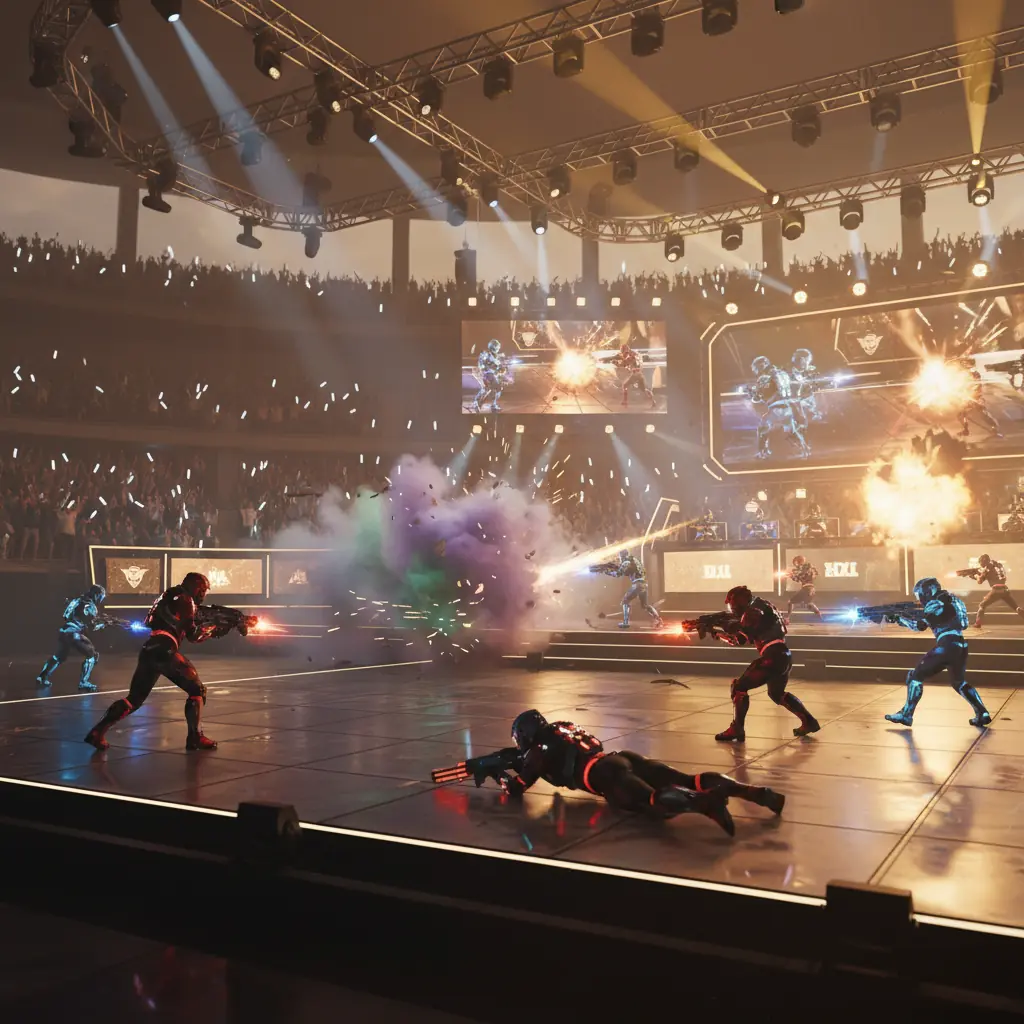
The PUBG Global Championship (PGC) 2025 is on the horizon, and the competitive landscape is fiercer than ever. Identifying the teams and players with the highest potential to clutch the championship title requires a deep dive into their recent performances, roster compositions, and strategic gameplay. Here’s a look at some of the top contenders:
Team Liquid
Team Liquid has consistently demonstrated dominance in PUBG esports. Their strategic rotations and coordinated teamwork make them a formidable opponent. The current roster boasts seasoned veterans and rising stars, creating a balanced and adaptable lineup. Key player, “Jeemzz,” stands out with an impressive kill/death ratio of 2.1 and consistently high damage output, making him a primary fragger for the team. However, Team Liquid sometimes struggles under intense pressure, which can lead to uncharacteristic errors in crucial moments.
FaZe Clan
FaZe Clan’s aggressive playstyle and fearless engagements have earned them a reputation as one of the most exciting teams to watch. Their roster includes “Fuzzface,” known for his exceptional close-quarters combat skills and ability to clutch in 1-vs-X situations. Statistically, Fuzzface boasts an average of 300 damage per game, showcasing his impact in firefights. While their aggression often pays off, it can also leave them vulnerable to calculated counter-strategies from more methodical teams. FaZe needs to balance aggression with more strategic plays to avoid early eliminations.
Gen.G Esports
Gen.G Esports presents a blend of experience and innovation. With a history of strong placements in previous PGC events, they have a reputation for refined strategies. Their player “Pio” is a strategic mastermind, with the sharpest game sense. His ability to read the game and guide his team through complex rotations cannot be ignored. He is a master in mid-to-late game where his calling creates crucial advantages. Nevertheless, their tactical play may sometimes turn to slow and predictable due to their risk-averse playstyle.
17 Gaming
17 Gaming, a team from the Chinese region, is characterized by their disciplined teamwork and exceptional marksmanship. Their roster is stacked with mechanically gifted players, notably “Lilghost,” whose pinpoint accuracy makes him an effective sniper and a problem for enemies’ rotations. Lilghost averages a headshot percentage of 25%, underscoring his precision. Though, their communication sometimes appears falters when facing unexpected strategies or facing aggressive teams, occasionally leaving them vulnerable in chaotic situations.
Format and Rules: Decoding the Structure of PGC 2025
Understanding the format and rules of the PUBG Global Championship (PGC) 2025 is crucial for fans and aspiring esports players alike. PGC 2025 unfolds in a structured series of stages designed to test the consistency and adaptability of participating teams. The tournament is typically divided into three main phases: the Group Stage, the Elimination Stage, and the Grand Finals. Teams navigate through these stages, with only the strongest advancing to compete for the ultimate title.
The Group Stage serves as the initial sorting mechanism, seeding teams based on their performance into upper and lower brackets for the subsequent Elimination Stage. High performers gain an advantage, while others face a tougher road to the Grand Finals.
The Elimination Stage is where the competition intensifies. Teams battle it out in their respective brackets, fighting to secure a spot in the coveted Grand Finals. This stage often features intense matches and strategic plays as teams vie for survival.
The Grand Finals represent the culmination of the tournament, where the top teams from the Elimination Stage clash for supremacy. Over a series of matches, they accumulate points based on their placement and kills, with the team scoring the highest overall crowned the PGC 2025 champion.
Beyond the overarching structure, PGC 2025 also incorporates specific rules that heavily influence gameplay. These frequently involve adjustments to the Bluezone settings, dictating the pace and flow of matches. Changes to weapon balance can also dramatically shift preferred loadouts and combat tactics, adding another layer of complexity for players to master. Understanding these nuances is critical for appreciating the strategic depth of professional PUBG.
Strategic Gameplay and Winning Strategies in PGC 2025
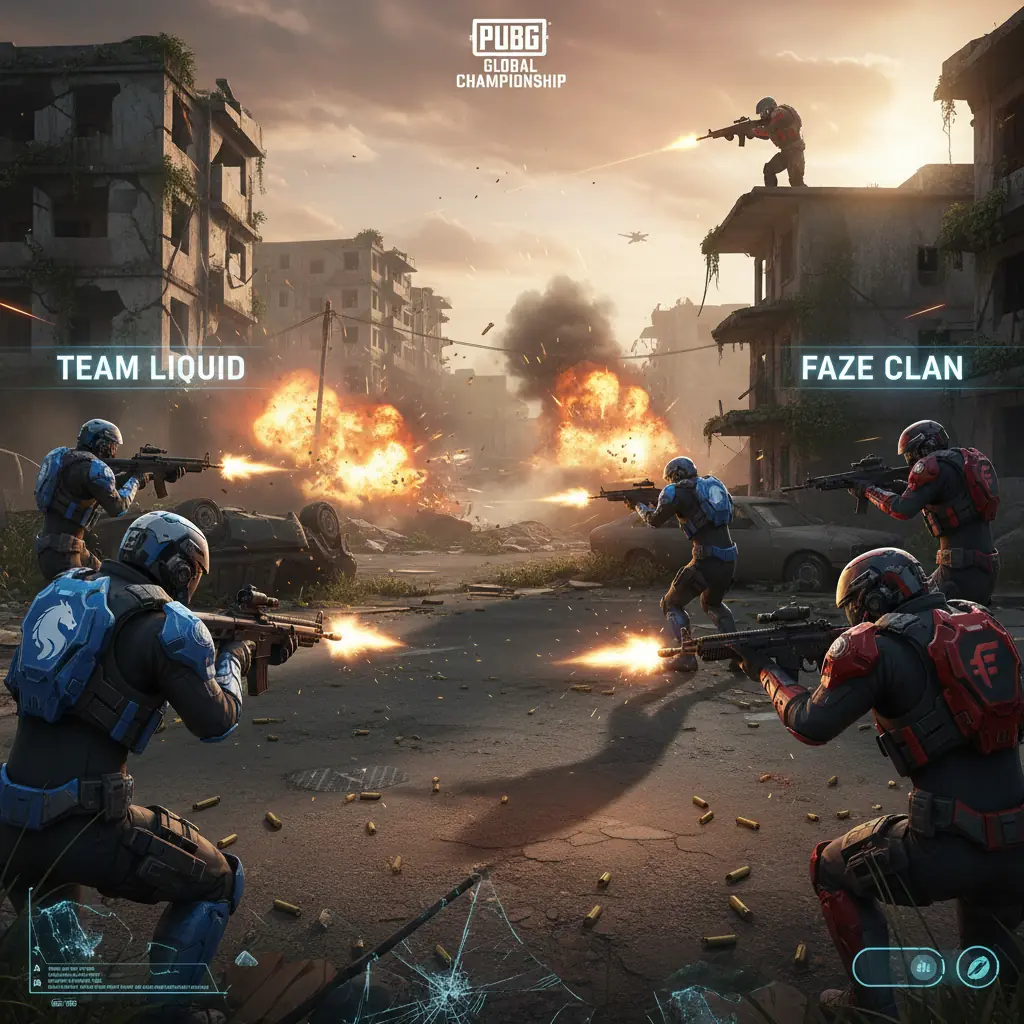
In the high-stakes arena of PUBG esports, particularly at the prestigious PUBG Global Championship (PGC) 2025, victory hinges on more than just raw shooting skill. The most successful teams demonstrate a mastery of strategic gameplay, utilizing calculated tactics to outmaneuver their opponents and seize control of the battleground. This involves a complex interplay of map control, rotation strategies, and impeccable team positioning, all fueled by clear and concise communication.
Map Control: Dominating the Landscape
Map control is paramount in PUBG esports. It’s about more than just occupying buildings; it’s about understanding the terrain, anticipating enemy movements, and denying them crucial resources and vantage points. Teams that excel at map control proactively secure key locations like compounds with multiple entry points, high ground offering superior visibility, and strategic chokepoints that dictate the flow of movement across the map.
Achieving map control demands a multifaceted approach: early reconnaissance using drones to identify enemy locations, coordinated pushes to secure key zones, and the deployment of strategic smoke screens to obscure vision and facilitate movement. Furthermore, holding map control necessitates a robust defense, with players strategically positioned to provide overlapping fields of fire and early warning of incoming threats.
Rotations: Navigating the Circle
As the play zone shrinks, teams must execute precise rotations to maintain a competitive advantage. Rotations are not simply about moving from point A to point B; they involve anticipating the circle’s movement, identifying safe routes, and proactively clearing potential ambush locations. Effective rotations often involve splitting the team, with one or two players scouting ahead to gather information and secure the path, while the remainder of the squad provides cover and support.
Different rotation strategies exist, each with its own strengths and weaknesses. Some teams prefer early rotations, securing a central position within the circle and dictating the pace of play. Others opt for late rotations, skirting the edge of the circle and exploiting opportunities to pick off unsuspecting opponents. The optimal rotation strategy depends on a variety of factors, including the team’s play style, the circle’s location, and the positioning of enemy squads.
Team Positioning: A Symphony of Coordination
Team positioning is the cornerstone of successful PUBG esports strategies. It’s about ensuring that each player is strategically located to maximize their individual effectiveness while contributing to the overall team effort. This involves understanding the strengths and weaknesses of each role within the squad – the entry fragger, the support player, the sniper – and positioning them accordingly.
Effective team positioning requires constant communication and coordination. Players must be able to quickly relay information about enemy locations, call out potential threats, and adjust their positions based on the evolvin
The Future of PUBG Esports: Trends and Predictions
The landscape of PUBG esports is in constant flux, shaped by the game’s evolving mechanics and the dynamic nature of competitive gaming. Recent championship trends offer valuable insights into the likely future direction of this exciting esports scene. One of the most significant shifts is the undeniable surge in popularity and influence of mobile gaming.
Mobile Gaming Takes Center Stage
PUBG Mobile esports has exploded in recent years, eclipsing its PC counterpart in terms of viewership, player base, and overall revenue. This trend is expected to continue, with mobile platforms becoming the primary battleground for aspiring pro players. The accessibility and affordability of mobile gaming contribute significantly to this growth, particularly in emerging markets. Expect to see continued investment and innovation in the mobile esports ecosystem, potentially leading to even greater sophistication in gameplay and tournament organization.
The Rise of New Regional Powerhouses
Traditionally, PUBG esports has been dominated by teams from established regions like Europe, North America, and East Asia. However, the latest championships have showcased the burgeoning talent pools in regions like Latin America and Southeast Asia. These regions are demonstrating exceptional skill and strategic depth, challenging the dominance of more established teams. Factors like strong local communities, dedicated esports organizations, and improved internet infrastructure are fueling this rise. The future of PUBG esports will undoubtedly be characterized by a more diverse and competitive landscape, with teams from previously underrepresented regions vying for championship titles.
Format Innovations and Evolving Gameplay
PUBG esports has experimented with various tournament formats and game mechanics over the years, seeking to enhance viewer engagement and competitive integrity. Innovation is key to keeping the esport fresh and exciting. This could include changes to the scoring system, map rotations, or even the introduction of new in-game items or vehicles. The goal is to create a more dynamic and unpredictable viewing experience while also rewarding skill and strategic decision-making. Looking ahead, it’s likely that the PUBG esports scene will continue to experiment with new formats and gameplay tweaks, ensuring the game remains engaging for both players and fans alike.
Conclusion
The PUBG Global Championship stands as a pinnacle of competitive gaming, showcasing the world’s best teams battling for supremacy. From the strategic gameplay to the nail-biting finishes, the PGC delivers an unparalleled esports experience. Keep an eye on the rising stars and seasoned veterans as they navigate the challenges of the tournament. The PGC is more than just a competition; it’s a celebration of skill, teamwork, and the thrill of victory.
Dive into the heart-pounding action, witness the unforgettable moments, and be part of the global PUBG esports community. The PGC is a spectacle you won’t want to miss.